Upgrading Your Home’s Power Points for Enhanced Functionality
Table Of Contents
Working with an Electrician
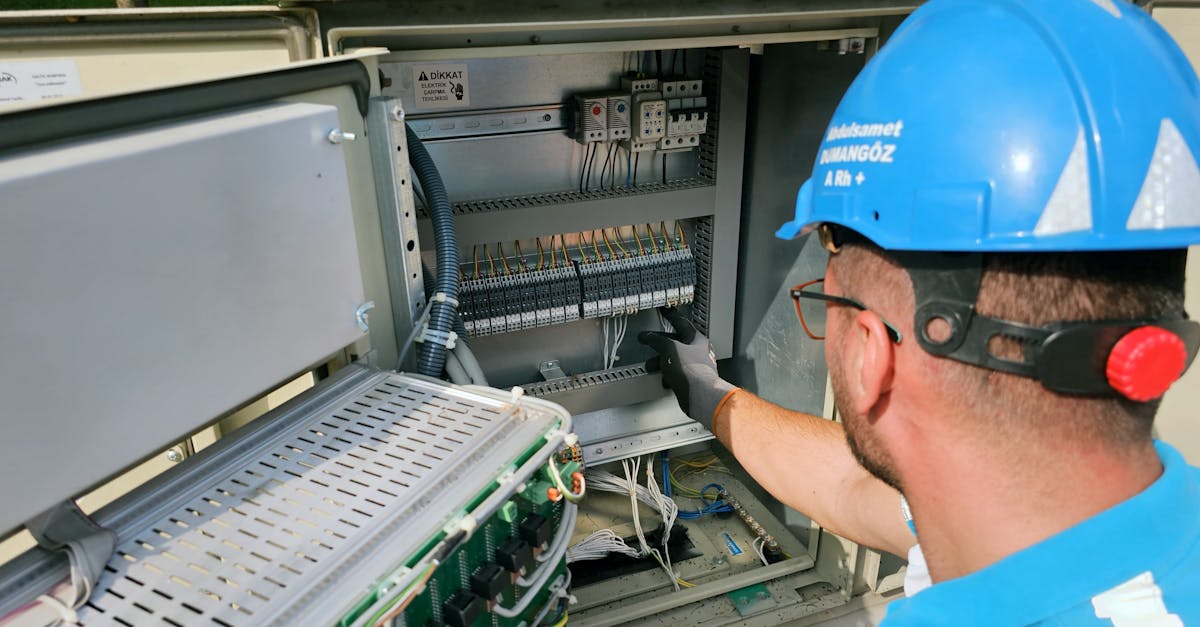
Engaging a qualified electrician is essential when upgrading your home's power points. A professional brings expertise, ensuring that the installation adheres to safety standards and local regulations. Electricians not only handle the technical aspects but also help assess your power needs. This allows for informed decisions about the type and placement of power points, optimising both functionality and safety within the home.
Finding the right electrician involves considering their qualifications and experience. Look for a licensed professional with positive reviews and a solid reputation in your community. It may also be beneficial to seek out recommendations from friends or family. Clear communication about your requirements and budget will help establish a productive working relationship. This collaboration is key to achieving the desired outcome for your electrical upgrades.
What to Look for in a Qualified Professional
When seeking a qualified electrician, it is essential to verify their credentials. A valid licence ensures that the professional has undergone the necessary training and adheres to local regulations. Look for memberships in recognised trade organisations, as these often indicate a commitment to ongoing professional development and adherence to industry standards. Reading online reviews and asking for referrals can provide insight into their reliability and quality of work.
Experience plays a pivotal role in determining the suitability of an electrician for your project. It is advisable to ask about their previous work, especially similar projects involving power point upgrades. An electrician with a robust portfolio is likely to offer valuable expertise in both the technical and aesthetic aspects of installation. An assessment of their communication skills also matters, as a clear and open line of communication is crucial for discussing your specific needs and any potential challenges that may arise during the job.
DIY vs Professional Installation
Homeowners often consider tackling electrical upgrades themselves to save on labour costs. While some tasks, like replacing light bulbs or installing simple plug-in appliances, are usually straightforward, changing power points requires careful consideration. Improper installation can lead to serious safety risks, including electrical shocks or fire hazards. Familiarity with electrical systems and an understanding of local codes are essential before attempting such work.
Choosing a professional electrician ensures that the job meets safety standards and regulations. Qualified professionals not only bring expertise but also access to the latest tools and materials. They are updated on changes to electrical codes and can ensure compliance with local laws, reducing the risk of future issues. Although hiring an electrician can involve a higher initial cost, the peace of mind and improved safety are often worth the investment.
Weighing the Pros and Cons
Upgrading power points can present both benefits and drawbacks. On the positive side, enhanced power points allow for greater appliance compatibility, accommodating devices that require more energy or varied plug types. This improvement can reduce the risk of overloading existing circuits, leading to a safer environment. Furthermore, modern power points often come equipped with additional features such as USB ports, making it easier to charge devices without needing bulky adaptors.
On the other hand, this upgrade involves certain considerations. The initial cost may deter some homeowners, especially if multiple power points require replacement. Additionally, improper installation can pose safety hazards, resulting in potential electrical faults or increased power bills. While DIY efforts might seem appealing for budget-conscious individuals, hiring a qualified electrician ensures adherence to safety standards and compliance with local regulations, ultimately providing peace of mind.
Regulations and Compliance
Adhering to local regulations and compliance standards is crucial when upgrading power points in your home. In Australia, electrical installations must meet specific requirements outlined by the Australian Standards. These regulations ensure the safety and reliability of electrical systems, protecting both homeowners and the broader community. Understanding these regulations helps to avoid potential hazards and ensures that your modifications are legally sound.
Compliance typically involves obtaining the necessary permits and ensuring that all work is performed by licensed electricians. This not only guarantees adherence to safety standards but also provides peace of mind that the electrical work has been inspected and approved. Familiarising yourself with these regulations before commencing any upgrades can streamline the process and prevent any costly rework due to non-compliance issues.
Understanding Australian Electrical Standards
Australian electrical standards are established to ensure safety, reliability, and efficiency in electrical installations. These guidelines cover various aspects of electrical work, including wiring systems, equipment specifications, and installation practices. Compliance with these standards is crucial for protecting homes and individuals from potential hazards such as electrical shocks or fires. It's essential for homeowners and electricians alike to stay informed about any updates or changes to these regulations.
Adhering to the Australian standards means using certified products and engaging qualified professionals for installation tasks. Each state and territory may have additional requirements that must be observed. Understanding these regulations is key to ensuring that any electrical upgrades or installations are completed to the highest safety standards. This diligent approach helps maintain not only the functionality of a home's electrical system but also the overall safety of its occupants.
FAQS
How do I know if I need to upgrade my power points?
If you frequently experience tripped circuit breakers, flickering lights, or if your power points are old and not compatible with modern appliances, it may be time to upgrade.
Can I install a new power point myself?
While some homeowners may consider a DIY installation, it's recommended to hire a qualified electrician to ensure safety and compliance with local regulations.
What qualifications should I look for in an electrician?
Look for an electrician who is licensed, insured, and has experience with residential electrical work. It's also beneficial if they have good reviews or recommendations.
Are there specific regulations I need to be aware of in Australia?
Yes, all electrical work in Australia must comply with the Australian Standards and local regulations. This includes proper installation, safety checks, and using approved materials.
What are the benefits of upgrading my power points?
Upgrading power points can provide enhanced safety, accommodate more devices, improve energy efficiency, and allow for the installation of modern features like USB ports or smart home technology.
Related Links
Essential Tips for DIY Power Point Installation and SafetyCommon Issues with Power Points and How to Solve Them
Exploring Switchable Power Points: Convenience at Your Fingertips
Power Points vs. Power Strips: What’s Best for Your Home?
Innovations in Power Point Design: Trends for Modern Homes
The Importance of GFCI Power Points in Protecting Your Home
Understanding Power Point Safety Standards for Residential Properties