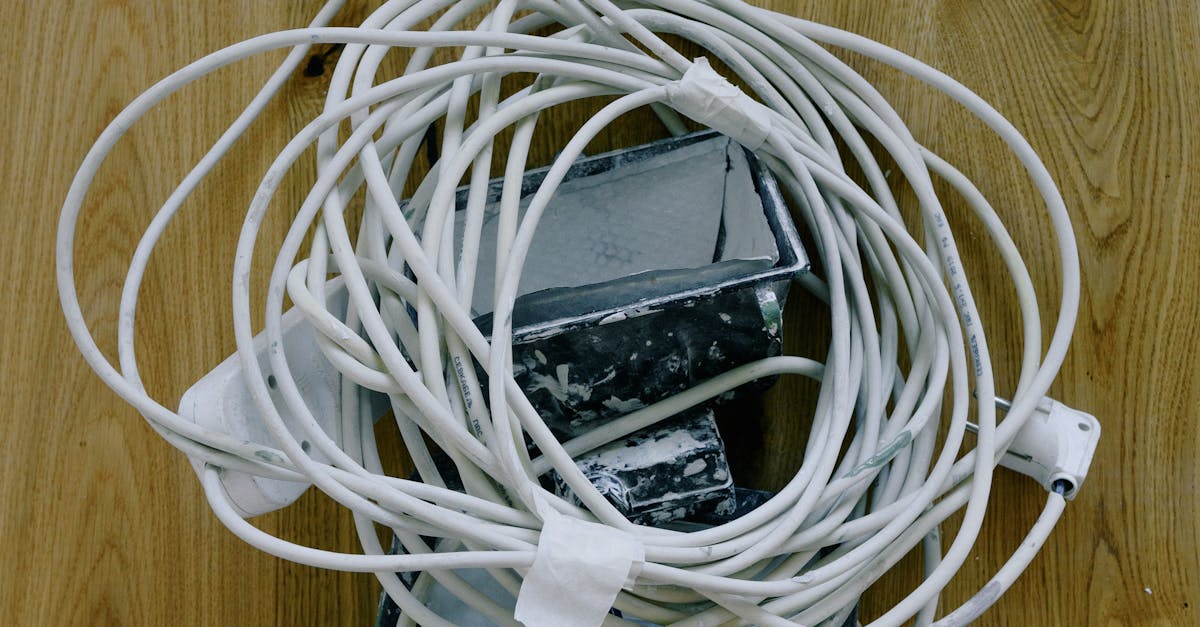
Power Points vs. Power Strips: What’s Best for Your Home?
Table Of Contents
Versatility of Power Strips
Power strips offer a convenient solution for numerous electronic devices, making them a favourite in Australian households. Their ability to accommodate multiple plugs allows users to expand their available outlets significantly. This adaptability is particularly beneficial in areas where wall sockets are limited, such as living rooms and home offices. From charging smartphones and laptops to powering kitchen appliances, power strips can cater to various needs across different rooms.
Another advantage is the portability of power strips, which makes them ideal for temporary setups or travel. Many models are lightweight and easy to carry, allowing users to take them on holidays or to workspaces outside the home. Features like built-in surge protection enhance safety while using multiple devices simultaneously. With options that include USB ports and unique designs tailored for specific spaces, power strips can seamlessly blend functionality with everyday use.
Where Power Strips Shine in Everyday Use
Power strips serve as an essential tool in modern households, offering an increased number of outlets for various devices. This is particularly beneficial in spaces where numerous electronics are used, such as living rooms or home offices. They enable the user to sidestep the hassle of constantly unplugging devices, maintaining a clean and organized environment while ensuring multiple gadgets receive power simultaneously.
Additionally, many power strips come equipped with built-in surge protection. This feature is crucial for safeguarding devices against voltage spikes, which can occur due to electrical storms or fluctuations in power supply. Furthermore, some models offer added conveniences such as USB ports, allowing for the charging of smartphones and tablets without needing an adapter. This versatility caters to the diverse needs of today’s digital lifestyle.
Installation and Ease of Use
Power points require a more permanent installation approach, often necessitating the assistance of a qualified electrician. This process involves not only connecting wires to the electrical wiring of your home but may also require modifications to the existing structure. Homeowners should consider the implications of this type of installation, especially if they frequently rearrange their living spaces or have evolving needs for electrical access.
In contrast, power strips offer significant flexibility and convenience. They can be easily plugged into an existing power point without any need for installation expertise. This simplicity makes them ideal for temporary setups, such as when hosting guests or using additional electronics during special events. Users can relocate power strips to different rooms depending on their requirements, making them a versatile option for various parts of the home.
Comparing Installation Processes for Power Points and Power Strips
When it comes to installing power points, the process can be quite complex. Typically, a qualified electrician is required to ensure safety and compliance with local regulations. This involves locating existing wiring, making specific measurements, and sometimes involving wall modifications. The installation can take time, particularly if wiring needs to be updated or the location requires adjustment.
On the other hand, power strips offer a much easier installation process. They can be plugged into existing outlets without the need for any tools or professional assistance. Simply finding a suitable location and connecting the strip to an available power point is all that’s needed. Many power strips also come with features such as surge protection, which can add an extra layer of safety without complicating the installation.
Cost Considerations
When evaluating the financial implications of power points and power strips, installation costs should be at the forefront. Power points typically require professional installation, which can add to initial expenses. In contrast, power strips offer a more budget-friendly solution as they are often plug-and-play devices that anyone can use right out of the box. The convenience of installing a power strip means savings on skilled labour, making it an appealing choice for many households.
Ongoing costs also play an important role in this comparison. While power strips may carry a lower upfront cost, electricity usage and safety features can influence long-term expenses. Higher quality power strips with surge protection may have a slightly higher price but could prevent potential damage to devices, saving money on replacements. Power points, although more expensive initially, may provide greater reliability in the long run depending on the electrical demands of a home.
Budgeting for Power Points vs. Power Strips
When considering the financial aspects of power points and power strips, the initial investment and long-term costs play a significant role. Power points typically require a higher upfront expense, mainly due to installation fees from licensed electricians. This cost reflects their permanent nature and the safety standards needed to integrate them into existing electrical wiring. In contrast, power strips are generally more affordable, providing a budget-friendly solution for extending power access without the need for professional installation.
Ongoing expenses can also influence decision-making. Power points usually demand minimal maintenance costs, given their durable installation. However, their fixed placement can limit adaptability in changing room layouts. Power strips tend to require replacement over time due to wear or damage, which can lead to additional costs. Their flexibility allows users to reposition them as needed, making them an attractive option for those on a budget, who desire convenience without extensive renovations.
FAQS
What are the main differences between power points and power strips?
Power points are fixed electrical outlets installed in walls, while power strips are portable devices that provide multiple outlets from a single wall socket, often with added features like surge protection.
Can I use a power strip for high-wattage appliances?
Generally, it's not recommended to use power strips for high-wattage appliances, such as refrigerators or air conditioners, as they can overload the strip and pose a fire hazard. Power points are better suited for these appliances.
Are power strips safe to use in the home?
Yes, power strips can be safe if used correctly. Look for strips with built-in surge protection and avoid daisy-chaining multiple strips together. Always follow the manufacturer's guidelines for safe usage.
How many devices can I connect to a power strip?
The number of devices you can connect to a power strip depends on its wattage rating and the combined wattage of the devices. Check the specifications to ensure you do not exceed the recommended limit.
When should I consider installing additional power points instead of using power strips?
If you frequently use multiple high-wattage devices or need a permanent solution for power access, installing additional power points is advisable. This provides a safer and more reliable option compared to relying solely on power strips.
Related Links
Exploring Switchable Power Points: Convenience at Your FingertipsInnovations in Power Point Design: Trends for Modern Homes
The Importance of GFCI Power Points in Protecting Your Home
Essential Tips for DIY Power Point Installation and Safety
Upgrading Your Home’s Power Points for Enhanced Functionality
Common Issues with Power Points and How to Solve Them
Understanding Power Point Safety Standards for Residential Properties
How to Choose the Right Location for Power Points in Your Home