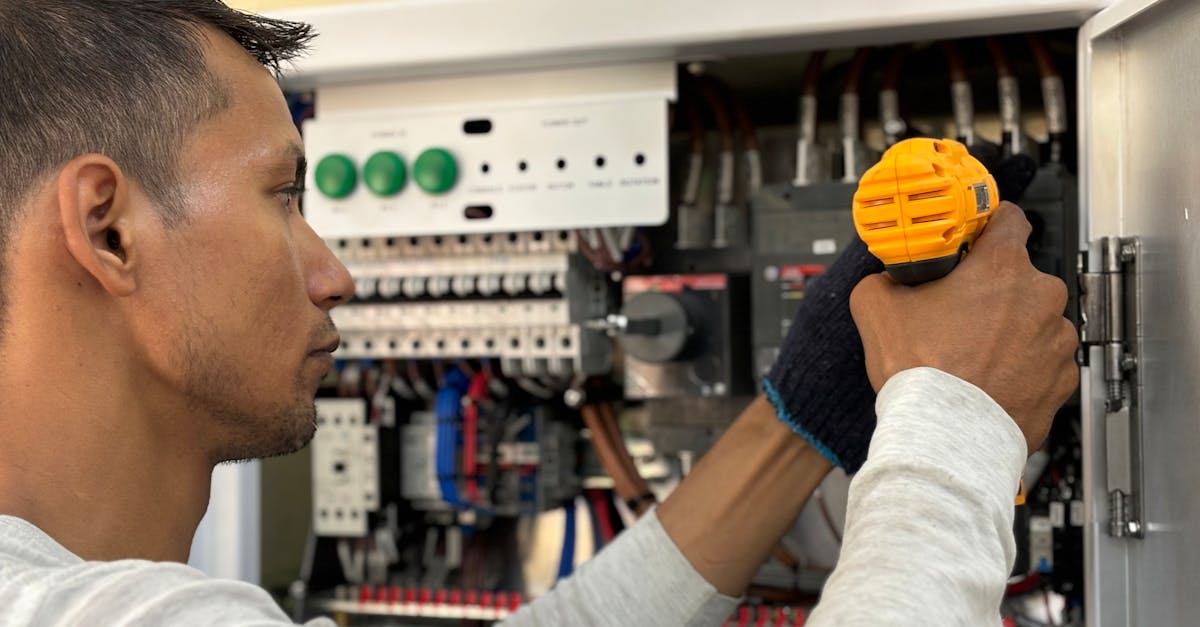
Understanding the Costs Involved in Switchboard Upgrades
Table Of Contents
Compliance with Australian Standards
Upgrading a switchboard requires adherence to specific Australian standards to ensure safety and reliability. These standards encompass various electrical safety protocols, which are crucial for the performance of the switchboard. Compliance not only mitigates risks but also enhances the overall functionality of the electrical system. It reflects a commitment to quality and safety, ensuring that the upgraded system meets the required benchmarks.
Achieving compliance often involves a thorough assessment of the existing setup. This process might necessitate the replacement of outdated components and the installation of modern safety features, such as RCDs and circuit breakers. Engaging qualified electricians with experience in navigating the compliance landscape becomes essential. While initial costs may rise, investing in compliance fosters peace of mind, reducing the likelihood of costly issues in the future.
Costs of Ensuring Compliance
Ensuring compliance with Australian standards during a switchboard upgrade involves various costs that must be considered upfront. These expenses include not only the materials and labour required to bring the installation up to code but also any necessary modifications to existing wiring and systems. Engaging licensed electricians familiar with compliance standards can incur higher labour costs but ensures that the work is carried out correctly and safely. In many cases, detailed inspections and tests are also mandated, which can add further to the overall expenditure.
Moreover, businesses and homeowners may need to invest in documentation and registration fees related to compliance. Any required certifications or inspections may also incur additional charges. This upfront financial commitment is crucial, as it mitigates the risk of future penalties from regulatory bodies. Failure to meet compliance standards can lead to costly fines and forced rework, making it a wise investment to budget for these compliance-related expenses when planning a switchboard upgrade.
Energy Efficiency Considerations
Improving energy efficiency is a crucial aspect of modern switchboard upgrades. An advanced switchboard allows for better management of electricity flow and helps in optimising energy consumption. This enhancement often results in reduced load on the electrical system, leading to lower energy bills. Investing in energy-efficient technologies can support sustainability commitments while improving overall performance.
When considering a switchboard upgrade, assessing energy ratings of new components is essential. Higher-rated devices may come with a higher upfront cost but often offset this through savings on electricity bills over time. Moreover, a more efficient switchboard contributes to reduced greenhouse gas emissions, aligning with environmental goals and regulations. Through careful selection, homeowners and businesses can realise both immediate benefits and long-term gains.
Impact on Long-term Savings
Switchboard upgrades often lead to substantial long-term savings for homeowners and businesses. An efficient switchboard can enhance the overall energy management of a property, reducing wasted energy and contributing to lower electricity bills. These upgrades can also facilitate the integration of renewable energy sources, such as solar power. By investing in a modern, compliant switchboard, properties can improve their energy efficiency, fostering a sustainable approach to electricity consumption.
The initial costs associated with these upgrades may seem daunting, but the benefits typically outweigh the expenses over time. Enhanced safety features reduce the risk of electrical fires or equipment damage, potentially saving on future repair costs. Furthermore, energy-efficient systems often qualify for government rebates and incentives, adding financial relief. As energy prices continue to rise, the importance of investing in an upgraded switchboard becomes increasingly evident for those aiming to secure long-term economic sustainability.
Local Government Regulations and Fees
Local councils often impose regulations that require home and business owners to obtain specific permits before undertaking a switchboard upgrade. These local government requirements serve to ensure that all electrical work meets safety standards and complies with relevant legislation. The cost of these permits can vary significantly depending on the jurisdiction. Fees may also be applicable for inspections associated with the upgrade process, which are intended to verify that work adheres to safety guidelines and industry codes.
Navigating these local regulations can be a complex task, particularly for those unfamiliar with the requirements. Engaging with qualified professionals who understand local legislation can mitigate potential setbacks. While there may be initial costs associated with permits and inspections, adhering to local regulations ultimately supports safety compliance. It also helps avoid fines or reworks that could arise from non-compliance, leading to long-term benefits for property owners.
Permits and Inspections Costs
When upgrading a switchboard, obtaining the necessary permits is a crucial step. Local councils often require these permits to ensure that any modifications comply with safety and regulatory standards. The cost of permits can vary significantly depending on the council and the scope of the upgrade. Homeowners should factor in these fees as part of their overall budget for the project.
Inspections are also a common requirement after obtaining permits. Licensed inspectors evaluate the work to confirm compliance with established regulations. The fees associated with inspections can add to the overall cost, making it essential for homeowners to be aware of these potential expenses. Failure to account for these costs upfront can lead to budget overruns and delays in project completion.
FAQS
What are the main costs associated with switchboard upgrades?
The main costs involved in switchboard upgrades include compliance with Australian standards, energy efficiency considerations, local government regulations and fees, as well as permits and inspections.
How do I know if my switchboard needs upgrading?
Signs that your switchboard may need upgrading include frequent circuit breaker trips, flickering lights, outdated wiring systems, or if you're adding more electrical appliances to your home that exceed the current capacity.
What are Australian standards for switchboards?
Australian standards for switchboards ensure safety and reliability in electrical installations. These standards cover aspects such as wiring, equipment specifications, and installation practices to protect both users and properties.
How can an upgraded switchboard lead to long-term savings?
An upgraded switchboard can improve energy efficiency, allowing for better load management and reduced energy consumption, which can lead to long-term savings on electricity bills.
Are there any government incentives for upgrading switchboards?
Yes, some state and local governments may offer incentives or rebates for upgrading to energy-efficient electrical systems, including switchboards. It’s best to check with your local council or energy provider for specific programs available in your area.
Related Links
Safety Standards for Residential Switchboard UpgradesComparing Different Types of Switchboards for Your Home
How Switchboard Upgrades Can Improve Energy Efficiency
A Step-by-Step Guide to Switchboard Upgrade Process
Common Signs Your Switchboard Needs an Upgrade
Upgrading Switchboards to Enhance Electrical Performance