How to Safely Handle Power Outages in Stormy Weather
Table Of Contents
Using Generators Safely
Generators can be an essential resource during power outages, especially in stormy weather. Proper placement of the generator is critical for safety. Always install it outdoors in an open area away from windows, doors, and vents. This minimizes the risk of carbon monoxide (CO) poisoning, which can occur if the gas builds up in enclosed spaces. Ensuring the generator is on stable ground can prevent spills and other hazards.
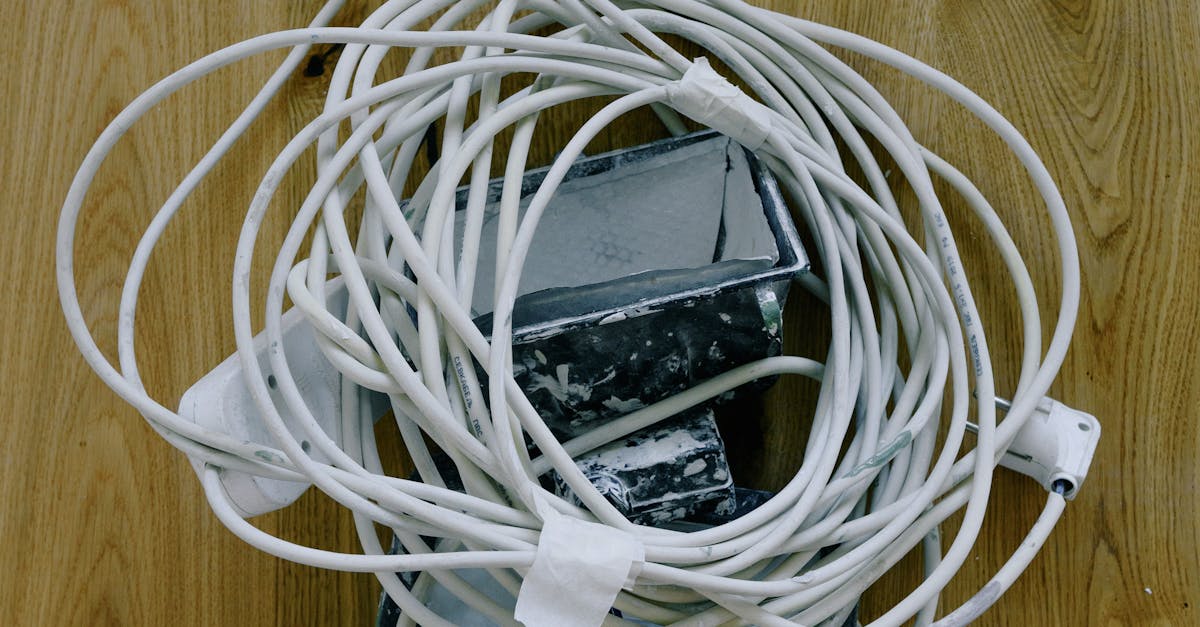
Using the generator correctly also involves connecting appliances safely. Plug devices directly into the unit rather than running extension cords indoors, as this reduces the chance of dangerous overloads or electrical fires. Before refuelling, allow the generator to cool down to prevent flashbacks or burns. Regular maintenance is necessary to keep the generator in good working condition, which includes checking the oil, fuel, and any necessary parts.
Key Safety Tips for Generator Use
When using a generator, place it outdoors in an open area away from windows, doors, and vents to prevent carbon monoxide buildup inside your home. Keep the unit at least three to four metres away to ensure proper ventilation. Safeguard your generator with a weatherproof cover to protect it from rain or moisture. Use heavy-duty extension cords rated for outdoor use to connect appliances, ensuring that the cords are in good condition and free from damage.
Always refuel your generator when it is cool to avoid the risk of fire or explosion. After filling the tank, secure the cap tightly before starting the generator. It is crucial to avoid back-feeding your home's electrical system by connecting the generator directly to your household circuits, which can create dangerous voltage levels and endanger utility workers. Instead, utilise a transfer switch to safely switch between generator and grid power.
Lighting and Communication Options
Power outages can disrupt everyday activities and create safety hazards, especially in low visibility. It’s essential to have reliable lighting options ready. Flashlights are often a go-to solution, but make sure to stock up on batteries to ensure they remain functional during an extended outage. Considering LED lanterns or glow sticks can provide light over a larger area and some can last significantly longer than traditional lighting options. Candles may create a warm atmosphere but pose a fire risk and should be monitored closely if used.
Communication is equally important during power failures. Keeping a battery-operated or hand-crank radio can provide vital updates about weather conditions and power restoration efforts. Mobile phones are useful for reaching out to family and authorities, so having portable chargers on hand can keep devices operational. In addition, investing in a power bank ensures that you remain connected even when the grid goes down. This preparedness can alleviate anxiety and enhance safety during unexpected emergencies.
Alternatives to Electric Lighting
During power outages, traditional light sources become essential. Candles can provide adequate illumination, but they also pose a fire risk. Placing them in stable holders away from flammable materials reduces hazards. Battery-operated lanterns and flashlights offer a safer alternative. They are portable and designed for extended use, making them practical for prolonged outages.
Solar-powered lights are another effective option, especially if the sun shines before the storm hits. These lights recharge during the day, providing illumination once darkness falls. For those seeking a more sustainable choice, glow sticks or LED light strips can serve as safe, low-energy solutions. It is important to keep a supply of these alternatives readily available to ensure comfort and safety during unexpected blackouts.
Handling Medical Needs
During a power outage, it is crucial to have a plan in place for managing medical needs. Individuals who rely on electrically powered medical devices, such as oxygen concentrators or insulin pumps, must understand how to operate these devices safely during such events. A backup power source, such as a generator, should be available and maintained in good working order. Regular checks on the functionality of these devices can prevent any unexpected disruptions in care.
Prescription medications also require careful consideration during outages. Those with refrigerated medications must find ways to keep them at the appropriate temperature. It is wise to consult with healthcare providers beforehand to obtain guidance on how long medications can remain out of the fridge. Having a list of essential medications and dosages readily available ensures you can seek assistance or replacement if necessary.
Preparing for Prescription Medications
In times of power outages, ensuring access to necessary prescription medications is essential for maintaining health. It is advisable to keep an updated list of all medications, including dosages and schedules. This list acts as a valuable reference that can simplify communication with healthcare professionals in urgent situations. Storing medications in a cool, dry place helps to preserve their effectiveness, particularly when electricity is unavailable.
When severe weather is anticipated, preparing a supply of medications for at least a few days is vital. Check expiry dates regularly to ensure that all medications are current. If refrigeration is required for specific medications, consider options such as coolers with ice packs to maintain the appropriate temperature. Ensuring that all family members understand their medication requirements can help in managing the situation effectively during a power outage.
FAQS
What should I do first when a power outage occurs during a storm?
First, ensure your safety by staying indoors and away from windows. Check your flashlights and battery-powered devices, and avoid using candles due to fire hazards.
How can I safely use a generator during a power outage?
Always operate generators outdoors and away from windows, doors, and vents to prevent carbon monoxide poisoning. Make sure to use heavy-duty extension cords rated for outdoor use and never connect your generator directly to your home's electrical system.
What are some alternatives to electric lighting during a power outage?
Consider using battery-operated lanterns, LED flashlights, solar-powered lights, or candles (with caution). Having a supply of extra batteries for your devices can also be beneficial.
How can I manage my medical needs during a power outage?
Keep a backup supply of prescription medications and ensure you have a cooler with ice packs for any medications that require refrigeration. It's also vital to have a list of your medications and dosages handy.
What should I do if I rely on medical equipment that needs electricity?
Contact your healthcare provider to discuss backup plans, consider investing in a generator, and reach out to local emergency services for assistance in case of prolonged outages.
Related Links
Signs Your Electrical System Is at Risk of a Power OutageThe Importance of Backup Generators for Tullamarine Residents
What to Do if Your Power Outage Is Prolonged
Advantages of Installing a UPS for Outage Preparedness
Tips for Preventing Power Outages in Your Local Area
How to Prepare Your Home for Unexpected Power Outages
Essential Tools for Homeowners During Power Outages
Step-by-Step Guide to Restore Power After an Outage
Understanding Common Causes of Power Outages in Tullamarine