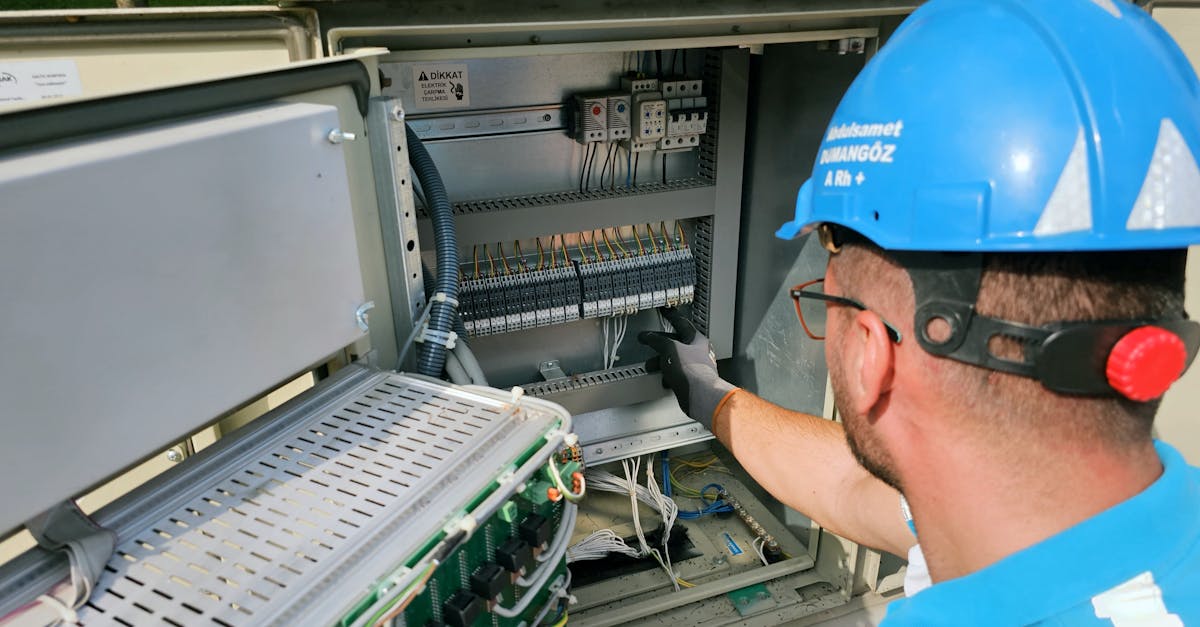
Ensuring Compliance: The Legal Requirements for Electrical Safety Audits
Table Of Contents
Frequency of Electrical Safety Audits
Regular electrical safety audits are essential for maintaining compliance with safety regulations and ensuring a safe working environment. Depending on the nature of the business and the level of risk associated with electrical systems, the frequency of these audits can vary. High-risk industries may require more frequent assessments, while lower-risk environments might adhere to longer intervals. It is crucial for businesses to stay informed about any changes in legislation that may affect audit frequency recommendations.
The Australian Standards outline specific guidelines regarding the timing of electrical safety audits. Companies are encouraged to develop an audit schedule based on risk assessment findings and historical data concerning incidents or near misses. Additional factors, such as the condition of existing equipment and the nature of electrical work conducted on-site, can influence how often audits should take place. Regular reviews of this schedule help businesses remain proactive in identifying potential hazards and ensuring compliance with industry standards.
Recommended Audit Intervals
Regular electrical safety audits are essential for identifying potential hazards and ensuring compliance with relevant legislation. Businesses often follow a schedule guided by industry standards, typically conducting audits annually. However, specific factors such as the nature of the electrical installations, the operational environment, and any previous issues encountered can influence the frequency of these assessments.
For high-risk industries or environments with significant electrical activity, more frequent audits may be advisable. Some organisations may opt for semi-annual or even quarterly audits in these scenarios. Keeping a close eye on standards and regulations is crucial as they can change based on technological advancements or safety incidents. This approach not only enhances safety but also demonstrates a proactive commitment to electrical compliance.
Documentation and Record-Keeping
Accurate and thorough documentation plays a pivotal role in electrical safety audits. It ensures that all findings during the audit process are captured. This may include details on compliance with standards, any identified risks, and the actions taken to mitigate these hazards. Properly maintained records not only serve as a reference for future audits but also demonstrate a company’s commitment to safety and regulatory compliance.
Maintaining comprehensive audit records is essential for tracking the history of electrical safety practices within an organisation. These documents can facilitate the identification of recurring issues and assist in the planning of future maintenance or upgrades. Clear and systematic record-keeping also aids in fostering accountability among staff and reinforces the importance of compliance, contributing to a safer working environment overall.
Importance of Accurate Audit Records
Maintaining precise records during electrical safety audits is crucial for demonstrating compliance with legal requirements. Accurate documentation provides a clear trail of the safety checks performed and the results achieved. This traceability is essential for both internal review processes and potential inspections by regulatory bodies. It also aids in identifying trends or recurring issues, which can be useful for ongoing risk management and training initiatives.
Reliable record-keeping fosters accountability within an organisation. Clear audit records ensure that any non-compliance issues are promptly addressed, minimising risks associated with electrical hazards. Additionally, well-maintained documents serve as a reference for future audits and assist in monitoring the effectiveness of implemented safety measures. A systematic approach to record-keeping can significantly enhance an organisation's overall safety culture.
Common Pitfalls in Electrical Safety Compliance
Many organisations overlook the significance of thorough training for staff involved in maintaining electrical systems. Without adequate knowledge and understanding of electrical safety standards, employees may fail to recognise hazards or properly implement safety protocols. This can lead to unintentional non-compliance with legal requirements, increasing the risk of workplace accidents. A lack of training extends beyond immediate safety concerns. It can also result in incomplete or improper auditing practices, which can further jeopardise compliance and expose the organisation to legal repercussions.
Another common issue is failing to keep up with updated regulations and standards. Electrical safety laws frequently evolve, and outdated practices can easily lead to compliance failures. Organisations that neglect to stay informed may implement audits based on old criteria, making their reviews ineffective. Additionally, reliance on outdated equipment or practices can create discrepancies in audit outcomes. Ensuring that all electrical equipment meets current safety standards is essential for maintaining compliance and safeguarding employees.
Mistakes to Avoid During Audits
One of the most significant mistakes during electrical safety audits is failing to prepare adequately. This lack of preparation can lead to oversights that compromise safety standards. It is crucial for auditors to familiarise themselves with the specific electrical systems being evaluated. Not reviewing past audit reports may result in neglecting previously identified issues. This oversight can create a false sense of security regarding the safety and compliance of the electrical installations.
Another common error is not involving all relevant personnel in the audit process. Limiting the scope of the audit to a select few can lead to incomplete assessments. Employees with hands-on experience can provide invaluable insights into potential hazards and compliance gaps. Engaging a wider group fosters a more thorough investigation and ensures that all aspects of electrical safety are thoroughly addressed. This inclusive approach ultimately strengthens the reliability of the findings.
FAQS
How often should electrical safety audits be conducted?
The frequency of electrical safety audits can vary depending on industry regulations, but it is generally recommended to conduct them at least annually or biannually to ensure ongoing compliance and safety.
What are the legal requirements for documenting electrical safety audits?
Legally, businesses must maintain accurate records of electrical safety audits, including the findings, corrective actions taken, and any completed inspections. These records should be easily accessible for review by regulatory bodies.
What are some common mistakes to avoid during electrical safety audits?
Common pitfalls include failing to document findings properly, overlooking minor issues that could escalate, not following up on corrective actions, and not involving qualified personnel in the audit process.
Why is accurate record-keeping important in electrical safety audits?
Accurate record-keeping is crucial as it provides a transparent account of compliance efforts, demonstrates due diligence, and can protect a business during inspections or legal proceedings.
Are there specific regulations that dictate the requirements for electrical safety audits in Australia?
Yes, in Australia, electrical safety audits must comply with various regulations, including the Work Health and Safety Act and relevant Australian Standards. It’s essential for businesses to stay informed about these requirements to ensure compliance.
Related Links
The Role of Electrical Safety Audits in Preventing Workplace HazardsKey Benefits of Regular Electrical Safety Audits for Commercial Properties
Choosing the Right Electrician for Your Electrical Safety Audit Needs
The Impact of Electrical Safety Audits on Business Continuity Planning
How Electrical Safety Audits Can Reduce Insurance Premiums
Top Common Issues Identified During Electrical Safety Audits
Best Practices for Conducting Thorough Electrical Safety Audits